Side Hustler's Tax Survival Guide: Stop Handing the IRS More Than You Owe
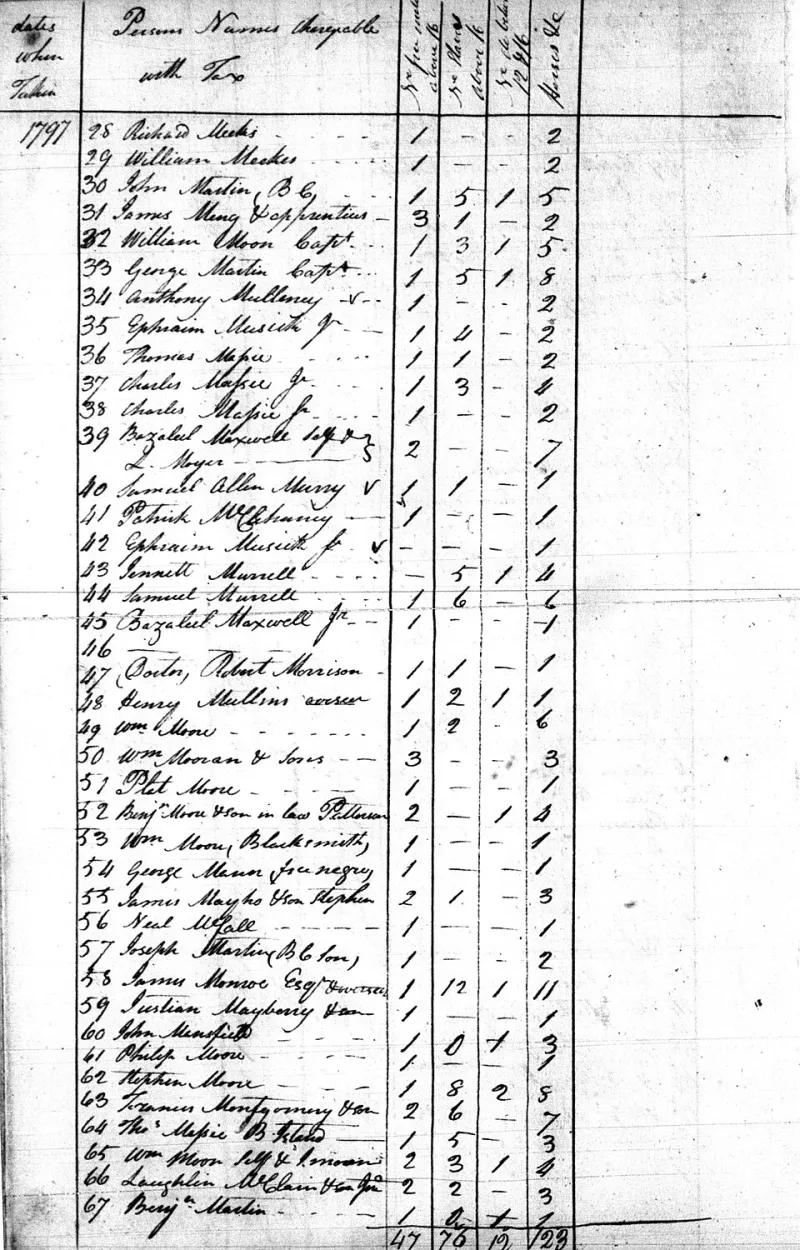
Photo: Albemarle County Property Taxes of 1797, Public domain, via Wikimedia Commons
Let's be real for a second. You spent the whole year grinding — delivering packages, freelancing on weekends, flipping stuff on eBay, driving for rideshare apps. You earned extra money. That's a win. But then April rolls around, and suddenly you owe the IRS a chunk of cash you weren't expecting. Or worse, you would have gotten a refund if you'd known about a few simple deductions.
This happens to hundreds of thousands of side hustlers every single year. And the frustrating part? Most of it is completely avoidable.
You don't need a CPA on retainer to handle this stuff. You just need to understand a few key rules — and actually follow them.
The $400 Rule That Catches People Off Guard
Here's where a lot of part-time earners get tripped up: the IRS doesn't care how you think of your side gig. If you earn $400 or more in net self-employment income in a calendar year, you are legally required to file a tax return and report that income. Full stop.
That $400 threshold is shockingly low. A few dog-walking gigs, a couple of Fiverr orders, a handful of TaskRabbit jobs — you can hit that number faster than you think. And unlike a W-2 job where your employer withholds taxes automatically, nobody is doing that math for you when you're self-employed.
On top of regular income tax, you'll also owe self-employment tax — currently 15.3% — which covers Social Security and Medicare. Employers normally split this with their workers. When you're the boss, you pay both halves. That's the part that stings.
Quarterly Taxes: The Bill Most People Ignore Until It's Too Late
Here's the thing about the US tax system — it's designed as a pay-as-you-go setup. When you work a regular job, your employer handles this automatically through withholding. But when you're earning money on the side, that responsibility shifts to you.
If you expect to owe at least $1,000 in federal taxes from your self-employment income for the year, the IRS expects you to make quarterly estimated tax payments. The due dates typically fall in April, June, September, and January.
Skip these, and you could face an underpayment penalty when you file — even if you pay everything you owe in April. It's not a massive fine, but it's an annoying and completely unnecessary expense.
A simple rule of thumb: set aside 25–30% of every dollar you earn from your side hustle into a dedicated savings account. When quarterly deadlines come around, you'll have the money ready. No scrambling, no stress.
The Deductions You're Probably Skipping
This is where most side hustlers actually leave real money behind. The IRS allows you to deduct ordinary and necessary business expenses — and that covers a lot more ground than people realize.
Home Office Deduction
If you use part of your home regularly and exclusively for your side hustle, you may qualify for the home office deduction. You can calculate this two ways:
- Simplified method: Deduct $5 per square foot of your workspace, up to 300 square feet. That's a max deduction of $1,500.
- Regular method: Calculate the actual percentage of your home used for business and apply that to your rent, utilities, mortgage interest, and insurance.
A lot of people skip this because they're scared of triggering an audit. But if you genuinely work from home and the space is dedicated to your business, you're entitled to this deduction. Don't leave it on the table.
Mileage and Vehicle Expenses
Do you drive for your side hustle? Make deliveries, visit clients, pick up supplies? Every business mile you drive is deductible. The IRS standard mileage rate for 2024 is 67 cents per mile. If you drove 5,000 business miles last year, that's a $3,350 deduction.
Track your miles with an app like MileIQ or Stride. It takes about 10 seconds per trip and can save you hundreds at tax time.
Equipment, Subscriptions, and Supplies
Laptop you bought for freelancing? Deductible. Software subscription for your design work? Deductible. Ring light for your content creation? Deductible. The key is that the expense has to be directly related to your business — you can't write off your Netflix account just because you occasionally watch it for "inspiration."
Keep receipts. Seriously. A simple folder in Google Drive or a free app like Expensify is all it takes.
Phone and Internet Bills
If you use your phone and internet for your side hustle — and who doesn't — you can deduct the business-use percentage of those bills. If roughly 40% of your phone usage is business-related, you can deduct 40% of your monthly bill. Over a full year, that adds up.
The 1099 Situation
If a single client or platform pays you $600 or more in a year, they're required to send you a 1099-NEC form. But here's the catch — even if they don't send one, you still owe taxes on that income. The 1099 is for the IRS's records, not your permission slip to report.
Platforms like PayPal and Venmo have also started issuing 1099-K forms for payments over certain thresholds, so don't assume cash app income flies under the radar.
Tools That Make This Way Less Painful
You don't need to hire an accountant to manage this — at least not at first. A few solid tools can handle the basics:
- QuickBooks Self-Employed or FreshBooks: Tracks income, expenses, and estimated taxes automatically
- Stride: Free app built specifically for gig workers — tracks mileage and deductions
- TurboTax Self-Employed or H&R Block Premium: Walk you through Schedule C (the form where you report self-employment income) without needing a finance degree
As your income grows, it may make sense to bring in a tax professional — especially one who works with freelancers and self-employed folks. A good one will often save you more than they cost.
One Habit That Changes Everything
If you take nothing else from this article, take this: treat your side hustle like a business from day one. Open a separate checking account for your gig income. Log every payment you receive and every expense you make. Set aside your tax percentage automatically.
Most of the tax pain that side hustlers feel in April isn't because taxes are complicated — it's because they weren't tracking anything throughout the year. When you stay organized in real time, filing becomes a formality instead of a nightmare.
The IRS isn't trying to punish you for earning extra money. But they will collect what they're owed — with penalties if you're not paying attention. The flip side? Every deduction you're legally entitled to is yours to keep. So stop leaving it behind.